The University of the Future: An Environment for Shaping the “Tolyq Adam” Personality
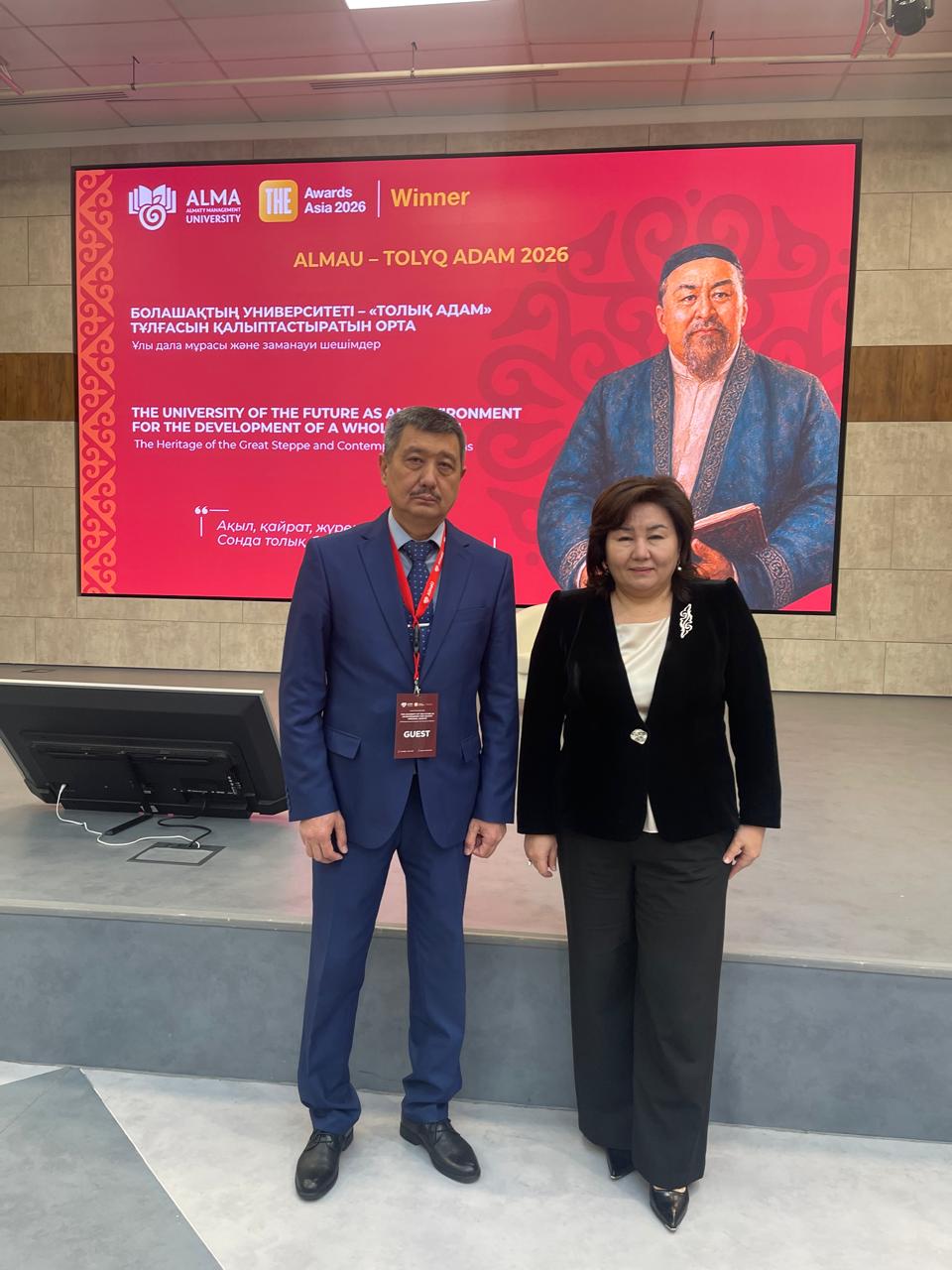
On 30 October, I attended the ALMAU – TOLYQ ADAM 2026 International
Conference at Almaty Management University.The conference explored the
theme “The University of the Future as
an Environment for Developing the Whole Person: The Heritage of the Great
Steppe and Contemporary Solutions.”
The official opening ceremony was
moderated by Timur Buldybayev, Rector of Almaty Management University. Welcoming
remarks were delivered by Assylbek Kozhakhmetov, Founder and President of
AlmaU, and Akerke Abylaikhan, Deputy Chair of the Committee for Higher and
Postgraduate Education of the Ministry of Science and Higher Education of the
Republic of Kazakhstan.
In her presentation, Akerke
Abylaikhan discussed humanism rooted in national values as an important
foundation for students’ social development in Kazakhstan. Her presentation
drew on Abai’s humanistic principle: “Love
all humankind as your own kin.” The session included a video featuring
the Head of State, which highlighted Abai’s concept of Tolyq Adam – the whole person, founded on the harmony of reason,
will and heart. Particular attention was given to its relevance to contemporary
education and personal development. The presentation emphasised that
integrating national values and humanistic principles into education helps
students develop ethical awareness, civic responsibility and a commitment to
serving society alongside their professional competencies. According to the
figures presented, Kazakhstan has 132
higher education institutions with a total enrolment of 806,367 students, including 713,819 bachelor’s students, 49,982 master’s
students and 11,215 doctoral students. International student enrolment
stands at 40,910. These figures
illustrate the reach of the country’s higher education system and the scale of
universities’ responsibility for students’ academic and personal development.
A central question guided the
conference: What kind of person should the
university of the future help develop? The discussions explored how
universities can combine professional preparation with independent thinking,
lifelong learning, ethical judgement and responsible participation in society. The
keynote address was delivered by Joo-Yup
Lee of the University of Toronto, who examined the idea of the whole
person in Turkic and Kazakh nomadic societies. His presentation explored the
relevance of personal qualities cultivated in the societies of the Great Steppe
to the education of present and future generations. The first panel, “The Great Steppe: From Heritage to the
Person of the Future,” featured presentations by Marie Favereau, Peter Finke, Zira Nauryzbai, Mark Ingham, Catherine
Poujol and Ainash Mustoyapova. Their contributions addressed historical
heritage, social relationships, music and cultural codes, nomadic pedagogy,
national identity and personal values. The discussion “What Can the Great Steppe Teach the Person of the Future?”
explored historical and cultural heritage as a spiritual and intellectual
resource for fostering responsibility, adaptability, social cohesion and
cultural openness. My main takeaway was that the university of the future should nurture not only highly qualified
professionals, but also whole persons who bring together reason, will and
heart, respect national values and recognise their responsibility to society.
By connecting the heritage of the Great Steppe with
contemporary educational practices, the conference offered much to reflect on
in our work as educators: how we teach, which values we cultivate and how we
support students’ professional, personal and ethical development.